
Friday, June 26, 2026
spot_img
Home Blog Page 5

The “miracle molecule” in milk: How Lactoferrin can help address nutritional challenges in the Philippines

0

For many Filipino families, milk remains a staple in a child’s daily diet – a key source of nutrients that support growth and development. Yet despite improvements in public health and nutrition programs over the decades, many Filipino children continue to face persistent nutritional challenges that demand targeted solutions​.

According to global nutrition standards set by the World Health Organization, the prevalence of stunting, defined as low height for weight is usually caused by undernutrition. In the Philippines, 2023 data by the Department of Science and Technology-Food and Nutrition Research Institute (DOST-FNRI) show that the prevalence of wasting among children has declined from 44.5 percent in 1989 to 23.6 percent in 2023. While this represents major progress, the rate still exceeds the recommended threshold leaving millions of children vulnerable to stunted growth and weakened immunity.​

“It is still a nutritional emergency,” said pediatric gastroenterologist Dr. Felizardo Gatcheco, in a lecture held in Cagayan de Oro City. “Kasi, marami parin sa ating mga bata ang maliliit.”

Dr. Gatcheco added that changing dietary habits among young children are also contributing to the challenge.

“Today, we are seeing children as young as two or three years old who already prefer milk tea or sugary beverages,” Dr. Gatcheco said. “Some no longer want to drink milk. But milk consumption should not end in the infancy stage. Children of all ages should continue drinking milk, even adults, in fact.”

Beyond undernutrition, micronutrient deficiencies, often referred to as “hidden hunger”, remain a critical concern. Studies estimate that about 13 percent of Filipino children experience deficiencies in essential micronutrients, with iron deficiency among the most common.

“Globally and in the Philippine setting, anemia is still the most common micronutrient problem that we have,” Dr. Gatcheco explained. “And for many decades, hindi nag-iimprove ang pagiging anemic.”

Iron deficiency can weaken the immune system and impair cognitive development if left unaddressed, making it a critical issue in child nutrition. Lactoferrin, a “miracle molecule” naturally found in milk, is becoming key to changing this situation.​

Lactoferrin: A Bioactive Protein with Immune Benefits

Among the nutrients gaining attention for their potential to address the nutritional challenges among Filipino children is Lactoferrin – a bioactive protein found in breast milk and other mammalian milk, uniquely equipped to tackle both undernutrition and iron deficiency.​

Lactoferrin is often described as a multifunctional molecule that supports immunity in several ways.

“Lactoferrin is sometimes referred to as a ‘miracle molecule’ because it performs multiple biological functions,” explained Dr. Gatcheco. “From the name itself lacto, which means milk, and ferrin, which means iron. Lactoferrin binds iron, supports beneficial gut bacteria, and helps strengthen the immune system – all in one.”

The gut plays a particularly important role in immunity. A 2021 research revealed that about 70 percent of immune cells originate in the gastrointestinal tract, where beneficial bacteria interact with immune cells to help the body respond to infections. Lactoferrin supports the growth of these beneficial bacteria, contributing to a healthier immune environment.

Scientific evidence continues to highlight its potential benefits. A 2020 clinical study found that children receiving lactoferrin supplementation experienced fewer respiratory and diarrhea-related symptoms compared to those who did not receive supplementation. Another study published reported that infants who consumed formula supplemented with lactoferrin had a significantly lower episodes of lower respiratory tract infection like pneumonia (Motoki et al. 2020; Manzoni P 2016).

Researchers say these findings demonstrate how certain bioactive nutrients can help strengthen children’s natural defenses.

Why the Way Milk Is Made Matters

The benefits of nutrients such as lactoferrin depend not only on the ingredients themselves, but also on how milk products are processed and manufactured.

“Processing plays a critical role in preserving the nutritional value of milk,” Dr. Gatcheco explained. “If manufacturing is not done carefully, bioactive components such as lactoferrin can be damaged.”

Traditional milk processing often relies on excessive heat, repeated reheating, or complex manufacturing steps that can degrade delicate vitamins and nutrients, and compromise overall product quality. Today, some manufacturers are adopting simplified processing methods that minimize unnecessary heating and maintain ingredient freshness, helping preserve milk’s natural nutritional value.

Dapat kaunting proseso lang o minsan, isang proseso lang ang mga gatas,” Dr. Gatcheco advised. “With the one-step processing, you are thereby preserving the greater majority of nutrients, including important bioactive substances that should be retained in milk.”

As the Philippines continues to confront childhood malnutrition, improving both the quality of nutrition and the way foods are produced remains essential. Advances in milk processing that better preserve naturally occurring nutrients, alongside greater awareness of functional compounds like lactoferrin, offer promising opportunities to support children’s health.

Ensuring that children have access to nutrient-dense foods and encouraging consistent milk consumption beyond infancy can play an important role in building stronger immunity, supporting healthy growth, and helping the next generation thrive.


The Manila Hotel JoinsGoût de France 2026 with Refined French Dining Experience

0

The Manila Hotel joins the global celebration of Goût de France 2026 with a refined French dining experience at the hotel’s iconic Champagne Room until May 31, 2026.

Guests are invited to delight in a set menu that highlights the richness and sophistication of French cuisine, specially prepared by The Manila Hotel’s culinary team led by Executive Chef Konrad Walter. The Goût de France menu features a classic progression of French flavors, beginning with Puy Lentil Salad with Smoked Duck Breast, followed by Three Onion Soup with Brie Croutons. For the main course, guests may savor Roast Rack of Lamb in Herb Crust served with rosemary garlic jus, accompanied by gratin potato, and market vegetables. The experience concludes with a selection of French cheese, Apple Tart with Frangipane, French macarons, and choice of coffee or tea.

Further highlighting its participation in the international celebration, The Manila Hotel also took part in the Course des Garçons de Café or Waiter’s Race held last May 17 during “Makati Street Meet presents Goût de France.” Representatives from Champagne Room proudly placed 2nd and 3rd, with Alfonso Punzalan and Lexter Guanzon receiving the honors, respectively. The event was also graced by Her Excellency Marie Fontanel, Ambassador of France to the Philippines and Micronesia.

“At The Manila Hotel, we honor global culinary traditions. Our yearly participation in Goût de France reflect our commitment to creating meaningful experiences that connect culture, cuisine, and community,” said Marvin Kim Tan, The Manila Hotel’s vice president for sales and marketing.

For more information, call +632 85270011 or +632 53015500, email info@themanilahotel.com, or visit www.manila-hotel.com.ph.

4 ways Filipinos can stay healthy and protected this season

0

The Philippines continues to face excessively hot weather, with dozens of areas logging heat indices past 40ºC. As temperatures remain elevated, many Filipinos are taking advantage of the season to travel, enjoy outdoor activities, and spend time with family and friends. However, the warm months bring increased health risks, including heat-related illnesses, making it important to stay mindful of both physical well-being and personal safety.

Here are four practical ways to stay safe and well during this season.

  1. Stay out of the heat and be aware of your surroundings. With several parts of the Philippines reaching “danger” temperature levels (42ºC to 51ºC), dehydration and heat exhaustion can quickly become serious concerns. Health authorities warn that prolonged exposure to extreme heat may lead to symptoms such as dizziness, fatigue, headaches, and muscle cramps, and in several cases, heat stroke, a life-threatening condition that occurs when the body temperature rises about 40°C. In 2023, the Philippines recorded 513 heat-related illness cases, one of the highest recent totals reported by health authorities.

Drink water regularly, limit time under direct sunlight, and take breaks in shaded or airconditioned areas. If you plan to swim, never do so alone. Dizziness brought on by extreme heat can increase the risk of drowning. Protect your skin by wearing protective clothing, applying sunscreen, and using hats or umbrellas. Health experts also recommend limiting outdoor exposure during peak sunlight hours, typically between 10 AM and 3 PM, when UV rays are strongest.

  1. Keep your home cool. Managing indoor temperatures is just as important as staying safe outdoors. Simple measures such as using window shutters to block direct sunlight can help keep living spaces cooler. When using electric fans, note that they are most effective when the ambient temperature is below 40°C. At higher temperatures, they may circulate hot air rather than provide relief. For greater comfort, pairing an air conditioner set at around 27°C with a fan can make a room feel up to 4°C cooler, helping reduce electricity consumption while maintaining comfort.
  2. Protect infants and young children. Children, especially infants, are particularly vulnerable to heat-related risks. Never leave a child in a parked vehicle, even briefly, as temperatures inside can rise to dangerous levels within minutes. Dress infants and young children in cool, light, loose-fitting clothing, and avoid covering infant strollers with blankets or covers that restrict airflow. Be attentive to signs of heat distress such as excessive fussiness, flushed skin, or unusual fatigue.
  3. Prevent mosquito-borne diseases. While mosquitoes are commonly associated with the rainy season, the hot and dry months also create conditions for mosquito breeding. In areas where water becomes scarce, many households store water in containers and uncovered containers become prime breeding grounds for mosquitoes and the diseases they carry, including dengue. Eliminate stagnant water in containers, plant pots, and drainage areas, and ensure water storage containers are properly covered all the time. Use insect repellent and wear protective clothing when outdoors to further reduce the risks of mosquito bites.

Beyond practicing healthy habits, being prepared for unexpected medical expenses is another important part of overall well-being. Health protection solutions can help individuals and families manage the financial impact of illnesses or medical emergencies, giving them peace of mind as they enjoy the season.

To support Filipinos in safeguarding their health and finances this summer, Sun Life Grepa

Financial, Inc. (Sun Life Grepa) offers protection solutions designed to help individuals and families stay prepared for unexpected medical needs.

  • Sun Grepa ProHeaIth: An affordable health protection plan designed specifically to cover critical illnesses. It offers simplified application process and provides cash benefits to help clients get through any stage of a critical illness, helping ease the financial burden that may come with a serious illness.
  • Sun Grepa ICU Protect: A severity-based health insurance plan that helps ensure your financial health is well-taken care of should any life-threatening conditions happen. It provides financial assistance for intensive care unit (ICU) confinement and additional cash benefit in case diagnosed with a covered critical illness or surgery, helping families manage the significant expenses that can arise during critical medical situations.
  • Sun Grepa First Aid Plus: A health protection plan that provides financial support in case of hospitalization or surgery, helping individuals and families manage unexpected medical costs that may arise from health emergencies.

Consult a Sun Life Grepa advisor or visit www.sunlifegrepa.com to learn more about Sun Life Grepa’s health protection products.

“Less Is More”: HopeTrek’s New Era of Smart & Safe Living

0

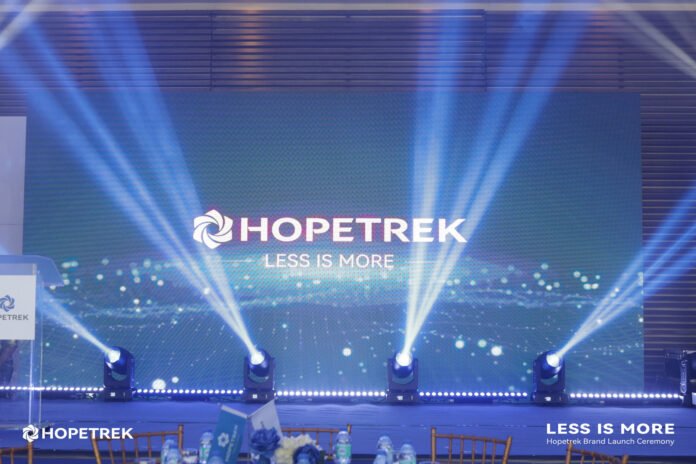
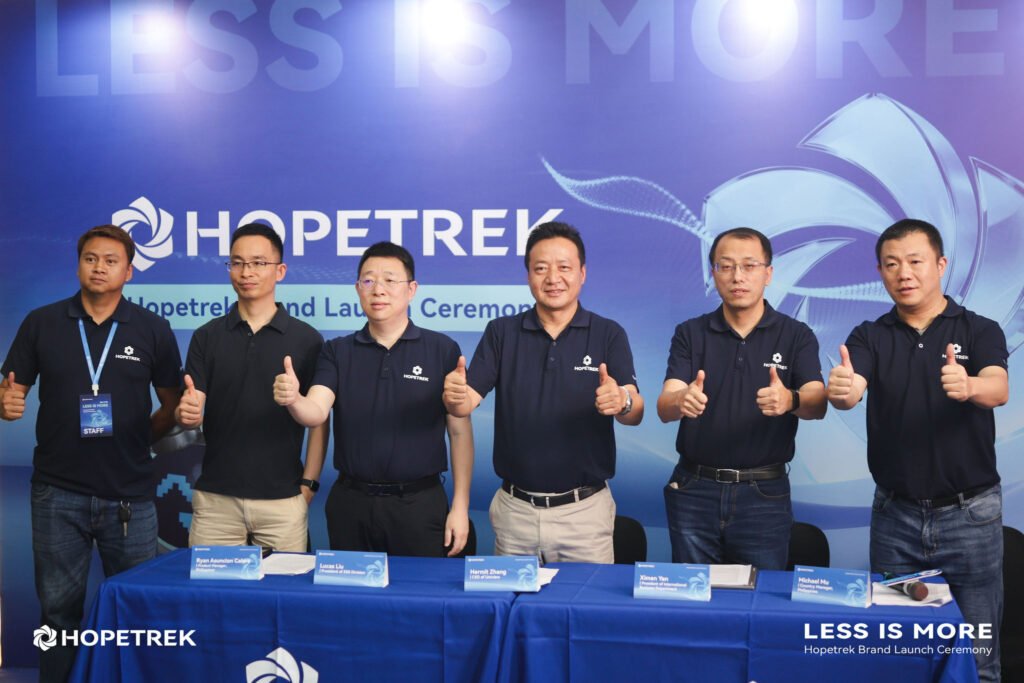
HopeTrek, the smart energy brand under global AIoT leader Uniview, officially launched its brand and smart home safety ecosystem in the Philippines today at Le Parc Event Hall. As rising electricity costs, unstable power supply, and growing demand for smarter living continue to shape the Philippine market, HopeTrek introduced its integrated “Smart & Safe Home” solution designed specifically for modern Filipino homes and businesses.

Driven by the belief that “Safety comes first,” HopeTrek believes that true smart living starts with complete protection. For modern families, safety is no longer limited to traditional home security. It also means stable power during a brownout, reliable protection for homes and businesses, and stronger privacy and data security.

“We understand the real priorities of Filipino families — safety, stability, and practical energy savings,” said Hermit Zhang, CEO of Uniview. “By leveraging AI-driven coordination, HopeTrek brings together solar power, energy storage, EV charging, and smart home technologies into one integrated solution. We are not simply delivering technology products — we are creating a smarter, safer, and more reliable living experience for modern homes and businesses.”

The “Less is More” Advantage: Built for Philippine Conditions

At the heart of the launch is the “LESS IS MORE” concept which translates to a stressfree experience for users:

 Less Waiting: Featuring an ultra-fast 4ms backup switching—essential for protecting sensitive appliances and computers during sudden power fluctuations or “voltage dips” common in Metro Manila.

Less Cost: Optimized to maximize solar consumption, helping reduce monthly electricity bills and deliver long-term energy savings.

Less Trouble: Engineered with a wide 170V–290V voltage compatibility, making the hardware resilient against “weak-grid” environments and provincial power instabilities.

Combined with AI-driven coordination, the system is designed to deliver less waiting, less cost, and less trouble — together with more solutions and more intelligence.

Empowering Local Partners and Installers

HopeTrek is not just launching products in the Philippines — it is also building a strong local support ecosystem for partners and customers. To ensure professional and reliable service, HopeTrek introduced a dedicated Installer Empowerment Program, offering technical training and certification, marketing support, demo unit incentives, and local spare parts inventory.

At the same time, the brand is strengthening its local service capabilities through expanded service teams and a 24-hour fast-response mechanism on working days, helping partners improve efficiency, reduce operational pressure, and achieve more sustainable business growth while building a stronger long-term channel ecosystem.

Looking Ahead: A Greener, Safer Philippines

By deeply integrating solar power, energy storage, EV charging, security, smart home technologies, and AI-driven coordination, HopeTrek is building an integrated smart home safety ecosystem that combines security, energy management, and intelligent living into one unified solution.

“Our goal is simple,” Zhang added. “We want to deliver less waiting, less cost, and less trouble — together with more intelligence and more peace of mind. At the end of the day, we want to help more families enjoy a smarter, safer, and more reliable living experience.”

The same Brutalist icons, but not as you know them

0

The same Brutalist icons, but not as you know them

A brutalist landmark, the PNB Financial Center continues to shape the bay area skyline.

It is said that Brutalist architecture asked for patience. Its language was not immediately inviting and resisted quick affection for it stands firm in raw concrete and heavy, geometric forms.

Appreciation for this style came with distance. That return happened around 2019 across cities, including in the Philippines when the culture began to look again and see intent behind the weight. Buildings that were once dismissed as severe began to draw in a new audience. Architects, designers, and the public revisited them with a fresher perspective.

Iconic properties of the Metro skyline

In Makati and Pasay, two such structures are among those that gained renewed attention: the PNB Makati Center and the PNB Financial Center, properties managed by PNB Holdings Corporation (PHC).

From the street, both buildings read as resolute. The PNB Makati Center, designed by Filipino architect Carlos Arguelles, a key figure in modern and Brutalist architecture, holds its place along Ayala Avenue with a sense of order, set against a district in constant evolution.

On the other end, the PNB Financial Center, found nearer the bay, stretches across a wide footprint of almost 90,000 sqm. Designed by noted Filipino architect Gabriel Formoso, it carries the same material honesty, set against an open horizon.

When PHC assumed stewardship, the shift began at the threshold. They ensured not to erase time but work with it, leaning toward adaptive redevelopment. They ensured that the structure remains legible and that interventions respond well to present-day use. 

When one steps inside the PNB Makati Center, the experience becomes less measured. Light softens the entry as the lobby leads with clarity. Materials move from exposed concrete to finishes that are easier on the eye and touch.

Workspaces, found from second to penthouse levels, follow a similar intent. Color pops in controlled accents and seamlessly blends with the structure. They feature layouts that support employee interaction without forcing it. There are open zones for team collaboration, alongside areas that allow for focus. The choices reflect the building’s current priorities—health, safety, and a more human-centered way of working.

At the PNB Financial Center, the narrative expands. The building has long functioned as a headquarters. Its expansiveness allowed it to house offices and institutional tenants over time. Under PHC’s direction, parts of the complex have taken on a new role.

Certain interiors have been adapted into event venues. This move leans on the asset that Brutalism provides, volume. Large spans and high ceilings offer a flexible canvas. The spaces can host formal gatherings or more relaxed assemblies. The bay area setting adds another layer. Natural light shifts across the day and gently spills through the windows. The edge between inside and outside becomes part of the event experience.

This reprogramming extends the building’s original identity. Where there were once purely administrative spaces, there are now areas, such as The Grand Atrium, that invite the public in a variety of ways.

Both buildings show that preservation is not fixed, but a process where change unfolds with discipline, allowing the original architecture to remain clear as new interventions settle in with intent. And, when updated with care, they can support contemporary life without losing character. The current work at PNB Makati Center and PNB Financial Center reflects precisely this.

For those who pass by, the first impression may still be distant. The silhouettes have not softened. Yet beyond the facade, the spaces tell a whole new story, one that considers how people move, gather, and work today. In this way, the buildings continue to shape the spaces they hold. They define their legacy not only by what they were, but by how they are used today.

Online Education (OEd) BS Artificial Intelligence Program Leads the Shift Toward Next-Generation Learning

0

As industries evolve at an unprecedented pace, education is no longer simply about earning a diploma. It has become a long-term investment in adaptability, digital readiness, and future-proof skills.

Across the Philippines, more students and working professionals are beginning to rethink what meaningful education looks like in today’s rapidly changing world. For many, the smarter investment is no longer defined by traditional classroom setups alone, but by learning systems that can adapt to modern realities, shifting careers, and emerging industries.

This growing shift toward flexible, technology-driven education is where Online Education (OEd) continues to establish its relevance.

For more than 10 years, Online Education (OEd) has positioned itself as one of the country’s pioneers in flexible distance education, offering Filipinos an opportunity to pursue higher education through a fully digital learning platform designed for modern lifestyles and evolving workforce demands.

At a time when convenience, accessibility, and digital literacy have become increasingly important, OEd’s model reflects a larger transformation taking place in Philippine education.

Preparing Filipinos for Tomorrow’s Careers

One of the strongest indicators of change is the growing demand for technology-oriented professions.

Artificial intelligence, automation, cybersecurity, data analytics, and digital systems are rapidly reshaping industries worldwide. Businesses are actively seeking professionals who can adapt to these emerging technologies and contribute to an increasingly digital economy.

Recognizing this shift, OEd recently introduced its Bachelor of Science in Artificial Intelligence (BS AI) program — one of its most forward-looking academic offerings to date.

The program aims to equip students with both foundational and applied knowledge in areas such as machine learning, intelligent systems, data science, natural language processing, robotics, and AI-driven technologies. More importantly, it reflects the institution’s commitment to aligning education with future workforce demands.

Rather than focusing solely on theory, the program also emphasizes practical applications, analytical thinking, problem-solving, and real-world technological integration — competencies that continue to grow in importance across industries.

For many students, programs like BS Artificial Intelligence represent more than just another course option. They signal the increasing importance of future-ready education in a world where industries are evolving faster than ever before.

The Shift Toward Smarter Learning

The concept of next-generation learning goes beyond simply bringing classrooms online.

It is about creating a more responsive and learner-centered educational experience — one that understands how people live, work, and build careers today.

Modern learners are no longer looking solely for academic credentials. They are searching for education that can help them remain competitive, relevant, and adaptable in a constantly changing environment.

OEd’s growing range of academic offerings reflects this transition. In addition to technology-focused programs, the institution also offers courses in business, hospitality management, psychology, education, and information technology, among others.

Its fully digital learning environment also removes many of the traditional barriers associated with higher education, including location constraints, transportation costs, and rigid scheduling.

For working adults and career shifters especially, this accessibility creates new opportunities.

Many professionals today are no longer expected to remain in a single career path for life. Upskilling and reskilling have become increasingly necessary as industries continue to evolve. Flexible online education provides individuals with a way to continue learning while remaining active in the workforce.

In this environment, adaptability may become one of the most valuable skills of all.

Building a Future-Ready Generation

The Philippines continues to experience rapid digital growth across sectors such as finance, healthcare, media, e-commerce, business process outsourcing, and technology. As this transformation accelerates, educational institutions are also being challenged to prepare students for careers that may not have existed just a few years ago.

OEd’s emphasis on flexible, technology-enabled education reflects this growing demand for future-oriented learning.

By combining accessibility, digital innovation, and industry-relevant programs, the institution aims to provide Filipinos with an educational experience designed not only for today’s realities, but also for tomorrow’s opportunities.

In many ways, the conversation surrounding education is no longer just about degrees, campuses, or classrooms. It is about relevance. It is about whether learning can truly keep pace with the realities students now face outside school walls.

For a generation entering a workforce shaped by artificial intelligence, digital disruption, and constant reinvention, adaptability may become just as important as academic achievement itself. This is why flexible and future-oriented learning models continue to gain ground — not simply because they are convenient, but because they reflect how people live and work today. And for many Filipinos trying to build better opportunities in an increasingly unpredictable world, education that can evolve with them may ultimately become the smartest investment they will ever make.

Selective Justice? CHED Chairperson Faces Backlash Over Uneven Crackdown on Educational Institutions

0

A controversy is brewing inside the Commission on Higher Education (CHED) following accusations of selective enforcement against higher education institutions, with critics questioning why several allegedly non-compliant schools continue operating while long-established institutions face sanctions.

The issue relates to unresolved findings from CHED’s 2024 evaluation of teacher education programs nationwide. According to insiders familiar with the discussions, more than 100 institutions were flagged for failing to meet minimum standards, including low Licensure Examination for Teachers (LET) passing rates, inadequate faculty qualifications, weak academic leadership, and outdated curricula.

Despite the alarming scale of the deficiencies, and a thorough discussion of the evaluation by the Commission En Banc, critics say no decisive action has been taken by the current CHED administration. This inaction, observers argue, has raised troubling questions about consistency and impartiality within the commission, including CHED Chairperson Shirley C. Agrupis herself.

Particular attention has been drawn to CHED’s treatment of certain campuses of a renowned educational institution with nationwide presence, which some claim have been disproportionately targeted despite their long operational history and established infrastructure. The campuses reportedly under scrutiny have existed for an average of three decades and own both the land and buildings they occupy — with state of the art computer laboratories and international certification for students; characteristics supporters say distinguish them from “fly-by-night” institutions that continue operating despite alleged deficiencies.

Rumors circulating within academic circles suggest that politics may be influencing regulatory decisions. Some critics speculate that CHED Chairperson Agrupis’ perceived bias against the targeted institution stems from either the institution’s association with former CHED officials or Chairperson Agrupis’ own alleged ties to the said institution’s competitors, although no evidence supporting either has publicly surfaced.

What is clear, however, is the mounting frustration among stakeholders who believe CHED’s enforcement efforts have become uneven. The irony has not gone unnoticed: while the commission celebrated top-performing teacher education institutions through the 2025 EQUATE Awards, the long-promised crackdown on underperforming programs never materialized.

For many educators, the issue goes beyond institutional rivalries. It strikes at the credibility of CHED’s regulatory mandate and the broader quality of higher education in the Philippines. If standards are to mean anything, critics argue, enforcement must apply equally regardless of political affiliations, institutional size, or the regulator’s personal ties.

As calls for transparency grow louder, CHED may soon face pressure not only to explain its decisions, but also to prove that accountability in higher education is not being applied selectively.

Kaagapay sa Kalinga: Bell-Kenz Brings Healthcare Within Reach Through Lab for All

0

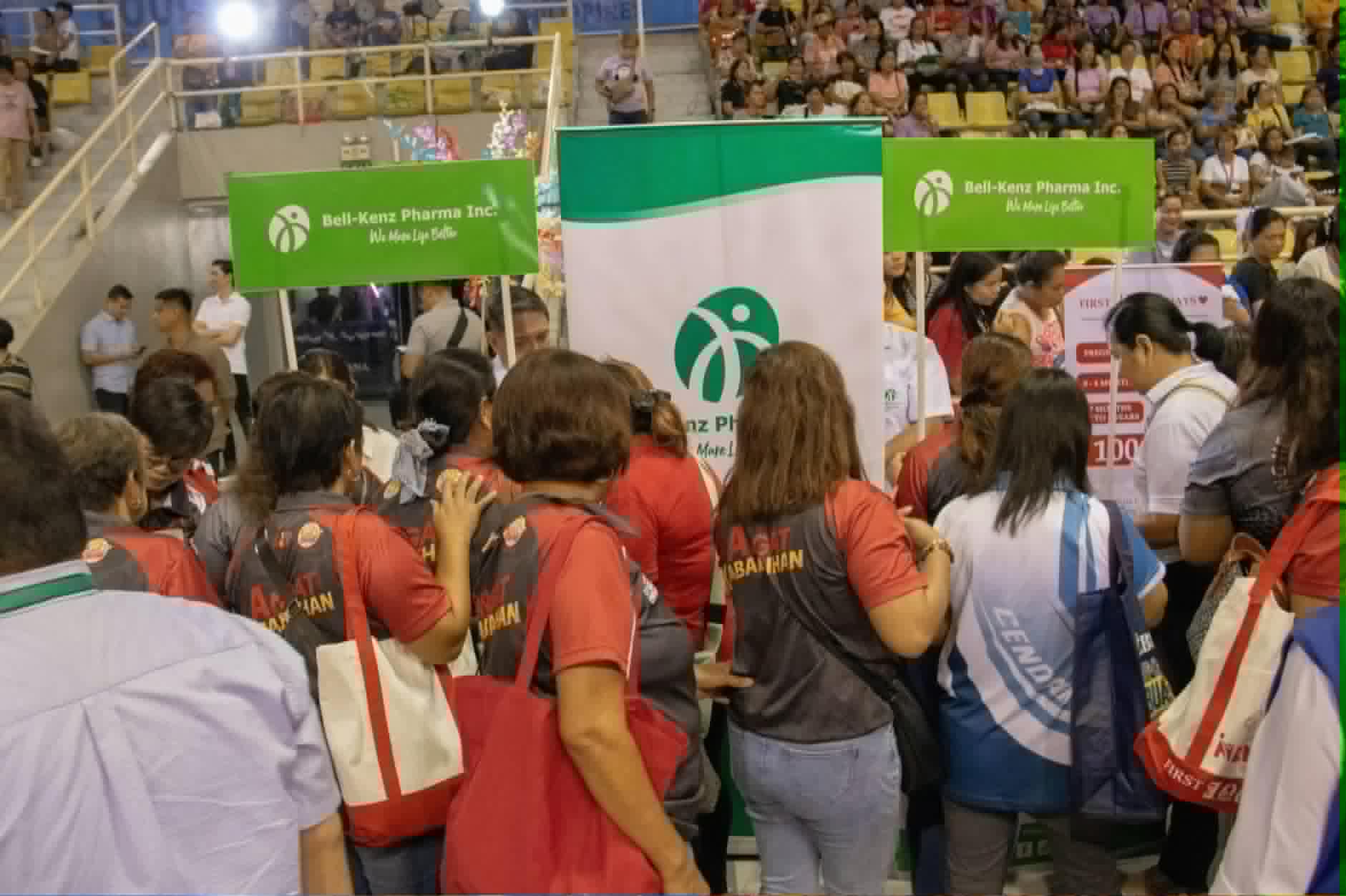
On March 17 in Marikina City and March 24 in Santa Rosa, Laguna, public sports complexes became centers of compassion and accessible healthcare as thousands of residents gathered for the LAB for All medical missions.

Held at the Marikina Sports Center and the Santa Rosa Multipurpose Sports Complex, the initiatives brought together local government units, healthcare workers, volunteers, and private sector partners to provide free laboratory services, medical consultations, prenatal check-ups, and essential healthcare assistance to underserved communities.

Among the key Kaagapay partners supporting the initiative was Bell-Kenz Pharma Inc., which helped address a critical healthcare gap by providing free medicines to beneficiaries on-site.

Expanding Access to Medicines and Care

For many Filipino families, access to healthcare services and medicines remains a financial challenge. Through its participation in LAB for All, Bell-Kenz Pharma enabled patients to receive immediate access to prescribed medicines, helping reduce treatment delays and easing the financial burden on low-income households.

One of the beneficiaries, Evelyn Ballaran, 40, an expectant mother who is eight months pregnant with her fourth child, shared how the initiative provided both relief and reassurance.

“Malapit na po akong manganak kaya mas kinakabahan ako,” she said. “Hindi laging madali magpa-check-up kapag may ibang gastusin sa bahay.”

Receiving free medicines during the medical mission helped ease her immediate concerns. “Mas nakakagaan po sa loob. Hindi na ako mag-aalala kung saan kukuha ng gamot,” she added.

Her experience reflected the realities faced by many beneficiaries who attended the outreach activities in both cities.

According to Dr. Luis Raymond T. Go, Bell-Kenz Pharma Medical Director,  the company’s involvement aligns with its commitment to making healthcare more accessible to Filipino communities.

“At Bell-Kenz Pharma, we believe healthcare should not be a privilege reserved for a few,” Dr. Go said. “Through initiatives like LAB for All, we are able to extend meaningful support to communities by helping provide not only medical consultations, but also the medicines patients need to begin their recovery and care immediately.”

He added that stronger collaboration between the private sector, local governments, and healthcare organizations remains essential in addressing healthcare accessibility gaps nationwide.

Strengthening Public-Private Collaboration

Across both venues, healthcare professionals, volunteers, and partner organizations worked together to serve senior citizens, parents seeking medical advice, and pregnant women requiring prenatal care.

In Marikina, the large-scale operation required coordinated crowd management and security support from the Philippine National Police under the leadership of Police Colonel Jenny Tecson. Police personnel assisted elderly attendees, pregnant women, and children while ensuring orderly movement throughout the venue.

Tecson also acknowledged the cooperation of the local government led by Marjorie Ann “Maan” Teodoro and Mark Castro, emphasizing that initiatives of this scale succeed through strong coordination among civic institutions, healthcare partners, and local communities.

Continuing Commitment to Community Healthcare

Bell-Kenz Pharma’s participation in LAB for All reflects the company’s continuing commitment to community-centered healthcare initiatives that promote inclusive and accessible medical support for Filipinos.

As the Marikina and Santa Rosa medical missions concluded, the impact extended beyond healthcare services delivered. Families received much-needed medical attention, expectant mothers gained reassurance, and communities experienced firsthand the value of accessible and compassionate healthcare.

For beneficiaries like Evelyn Ballaran, the initiative demonstrated how timely healthcare intervention — supported by private organizations committed to public welfare — can create a meaningful and lasting impact in everyday lives.

 For more information about Bell-Kenz Pharma, visit www.bell-kenz.net

AMA Education System Files Complaint Against CHED Chairperson for Violation of the Anti-Red Tape Law

0

AMA Education System (AMAES), through its President, Engr. Arnel F. Hibo, has filed a complaint before the Anti-Red Tape Authority (ARTA) against Chairperson Shirley C. Agrupis of the Commission on Higher Education (CHED) over CHED’s repeated failure to promptly respond to official requests and communications.

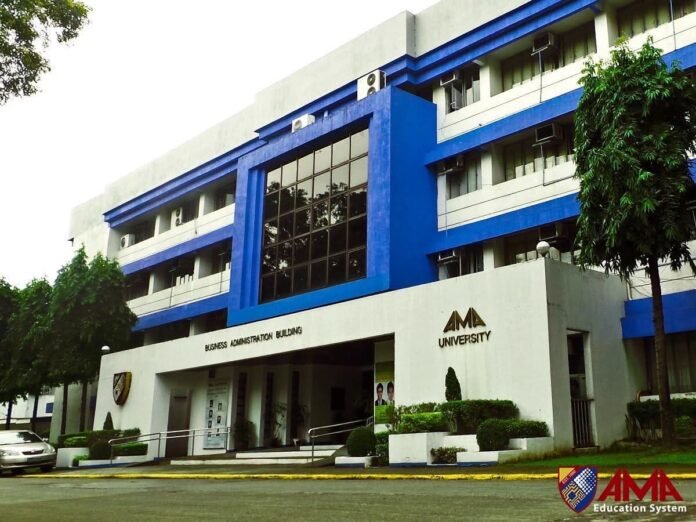
AMAES, which operates a network of around 150 schools nationwide, about half of which are managed by franchisees, is led by AMA University, a CHED-accredited autonomous institution.

According to AMAES, the complaint stemmed from what it described as an “extremely urgent” circumstance resulting from the CHED’s successive issuance of two derogatory advisories, later followed by a third advisory. AMAES said the advisories have caused significant damage to the institution and its stakeholders because its unfettered dissemination ruined its reputation and led to confusion and concern among students, parents, and the institution’s business partners.

In an effort to resolve the matter diplomatically, AMAES said it sought a clarificatory discussion with the CHED Chairperson through formal letters sent on April 27, April 29, and May 8. The institution said the requests aimed to address concerns surrounding the advisories, including what it described as a lack of due process given to it by CHED.

AMAES argued that the monitoring visits used as the basis for the CHED’s decisions were conducted during the height of the pandemic, when the institution had fully shifted to online learning operations.

Despite repeated requests for dialogue, AMAES said no response was received after more than two weeks, prompting the filing of the ARTA complaint.

AMAES also criticized what it described as “a typical display of arrogance and indifference to stakeholders” by the CHED Chairperson that contributed to a breakdown in public service.

Driven by Compassion, Guided by Service: AMA School of Medicine (AMASOM) Brings Healing Beyond Borders Through “Lab for All” Initiative

0

Bringing Healthcare Closer to Filipinos

The true meaning of medicine is not only found inside hospitals or classrooms — it is found in the willingness to serve people, especially those who need care the most.

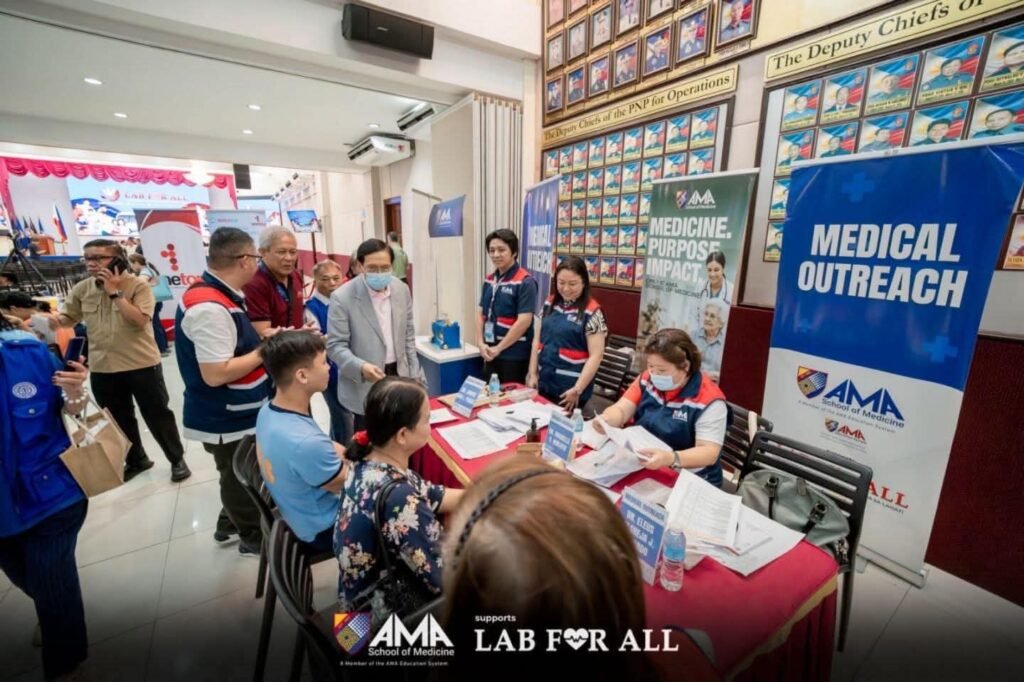
On May 5, 2026, the AMA School of Medicine (AMASOM) once again demonstrated this commitment as it actively participated in the latest leg of First Lady Louise Araneta Marcos’ flagship healthcare initiative, “Lab for All” (LFA), held at Camp Crame.

Widely recognized for her compassionate leadership and quiet dedication to public service, First Lady Louise Araneta Marcos continues to champion programs that place the welfare of ordinary Filipinos at the forefront. Through Lab for All, the First Lady has helped bring essential healthcare services closer to communities, especially to individuals and families who may have limited access to medical attention and laboratory services.

More than a nationwide medical outreach initiative, Lab for All has become a reflection of the First Lady’s sincere commitment to inclusive healthcare, community empowerment, and human dignity. Her vision of making healthcare more accessible has inspired stronger collaboration among government agencies, medical institutions, healthcare professionals, and volunteers — all working together toward a common goal of caring for the Filipino people.

Under the leadership and guidance of First Lady Louise Araneta Marcos, the initiative continues to touch lives across the country by promoting compassion, service, and genuine concern for the well-being of every Filipino. Her efforts have helped transform Lab for All into more than just a healthcare program, but a meaningful symbol of hope, unity, and public service.

For the AMA School of Medicine (AMASOM), participating in the initiative represented not only an opportunity to extend medical assistance, but also a chance to support a humanitarian effort led by a First Lady whose advocacy for accessible healthcare continues to create lasting impact in communities nationwide.

Serving Those Who Serve the Nation

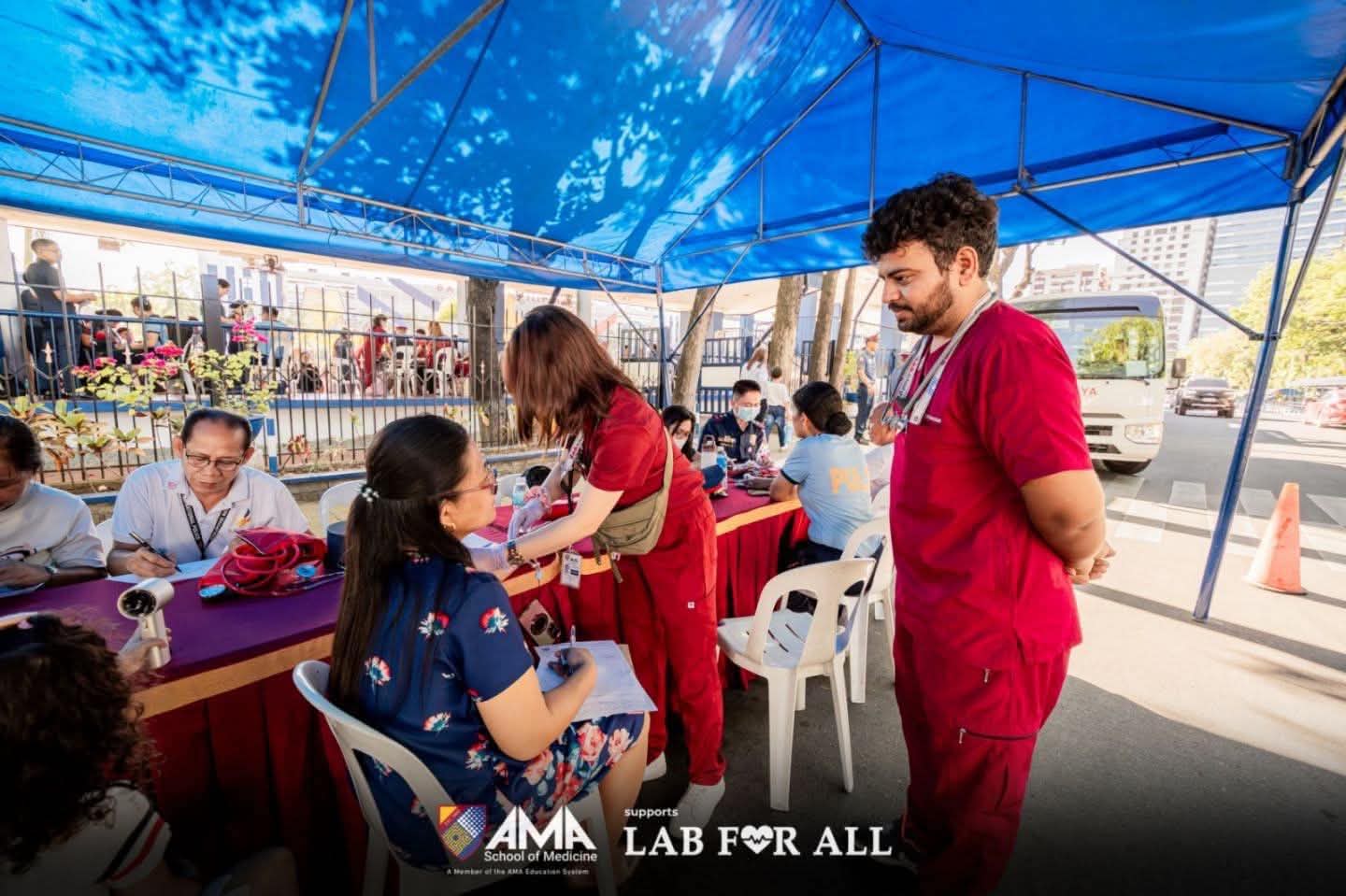
Now on its ninth deployment under the Lab for All program, AMASOM helped deliver vital medical and laboratory services to approximately 1,500 members of the Philippine National Police and their dependents. These are individuals who spend their lives protecting the public, often placing the welfare of others before their own. Through initiatives like this, AMA recognizes the importance of giving back to those who continuously serve the nation.

Leading the AMA delegation was Dr. Amable R. Aguiluz V, Chairman Emeritus and Founder of the AMA Education System, Father of IT Education in the Philippines, whose presence underscored the institution’s strong alignment with national healthcare and public service initiatives. His engagement with First Lady Louise Araneta Marcos and other government leaders reflected a shared commitment to improving healthcare accessibility and ensuring that quality medical services reach communities that need them most.

A Collective Effort for Public Service

The event also brought together several government agencies and institutions, including the

Department of Health, Technical Education and Skills Development Authority, PhilHealth, Department of Trade and Industry, Department of Social Welfare and Development, Pag-IBIG Fund, Department of Agriculture, and the Public Attorney’s Office — creating a collaborative environment centered on service, wellness, and nationbuilding.

Beyond the medical services rendered, the initiative highlighted the importance of compassion and human connection. One heartfelt moment during the event was the AMASOM team’s tribute to Department of Health Secretary Teodoro Herbosa on his birthday — a simple but sincere gesture that reflected the warmth and humanity behind the institution’s service-driven culture.

Shaping Future Doctors with Purpose

For AMASOM students, faculty members, and volunteers, Lab for All (LFA) was not simply an outreach activity, but a living reminder of why they chose the field of medicine in the first place: to heal, to serve, and to make a difference in people’s lives. AMASOM also provides medical students who actively assist doctors who are members of the AMASOM faculty during medical missions and healthcare initiatives, allowing students to gain meaningful hands-on experience while learning the true value of compassionate service.

As Lab for All (LFA) continues to reach more communities across the country, the AMA School of Medicine (AMASOM) remains unwavering in its mission of shaping not only exceptional medical professionals, but compassionate individuals who understand that medicine is ultimately about humanity, dignity, and service.

AMA’s “Love for All” Commitment

Through every medical mission, every student trained, and every life touched, AMA continues to embody its “Love for All” — a belief that education and healthcare should never be privileges reserved for a few, but opportunities that uplift every Filipino.

As the nation continues to face evolving healthcare challenges, AMA stands committed to producing future doctors who heal not only with knowledge and skill, but with compassion and purpose. Because in the end, the true legacy of medicine is not measured by titles or achievements, but by the lives changed through genuine service.

AMA School of Medicine is a proud member of the AMA University Education System — Asia’s Pioneer and Largest Network of IT Universities and Colleges with more than 45 years of global excellence in education.

#AMASchoolOfMedicine

#LabForAll2026

#HealthcareForAll

#AMAUniversityEducationSystem